

Getting the Fireplace Ready Before the Weather Turns
A fireplace that is ready for fire season is not just one that lights easily. It is one where every part of the system, from the wood stacked next to it to the cap sitting on top of the flue, has been checked with ember and spark risk in mind. For homeowners across Thousand Oaks, Camarillo, Oxnard, Ventura, and Santa Paula, that means a slightly different checklist than a generic winter fireplace tune-up. Here is what actually matters before the dry months set in.
Start With the Wood, Not the Match
Wet or unseasoned wood burns cooler and produces more smoke and creosote than dry, well-seasoned wood. That extra creosote is exactly the buildup that turns a normal fire into a chimney fire risk once it accumulates. Seasoned hardwood, split and stored under cover for at least six months, burns hotter and cleaner, with fewer sparks escaping up the flue in the first place. If you are not sure how seasoned your wood is, a visual check helps: seasoned wood is lighter in weight, has visible cracks radiating from the center of the cut end, and sounds hollow when two pieces are knocked together.
Check the Cap and Spark Arrestor First
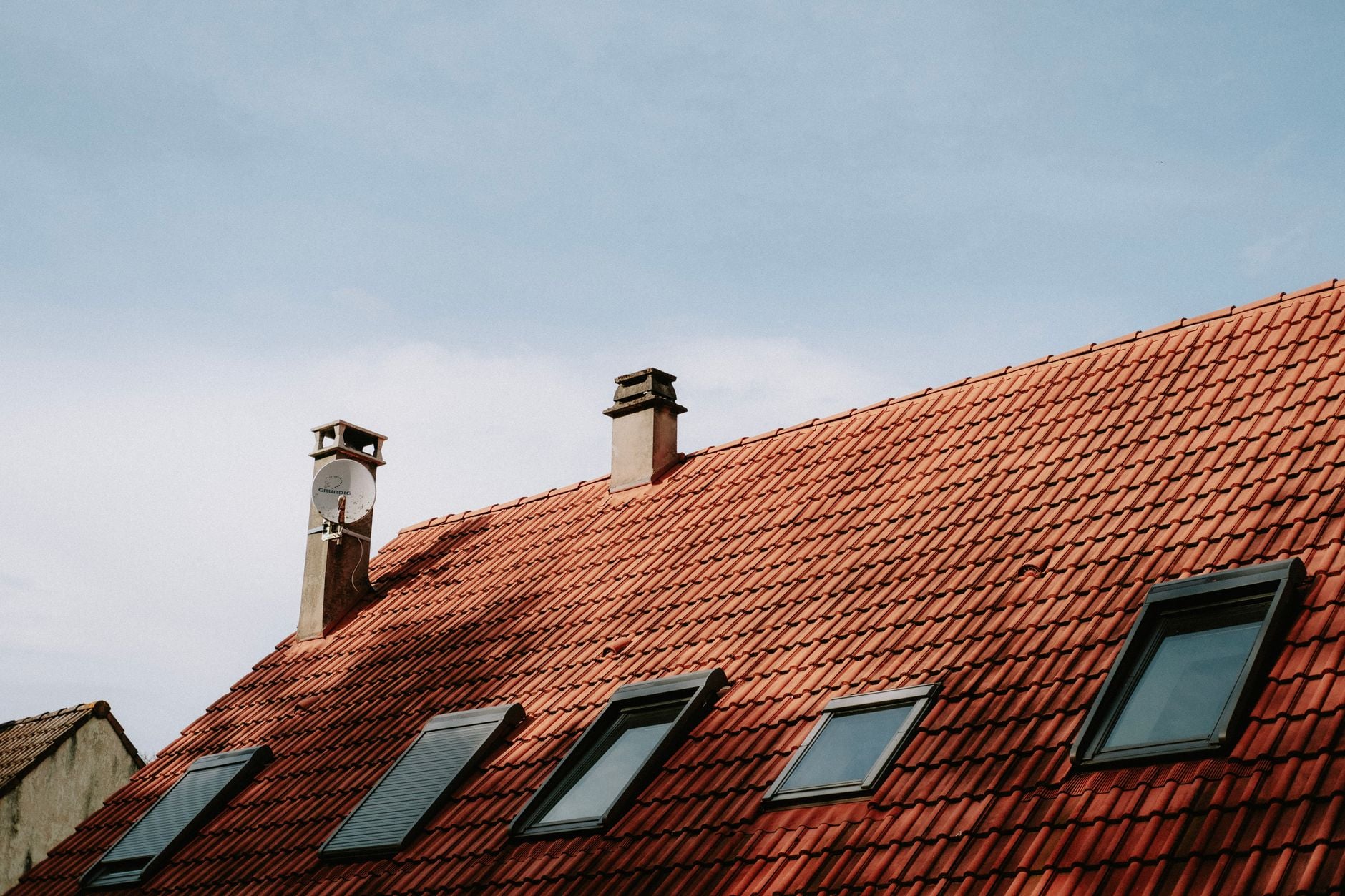
Before anything else on this list, confirm the cap is intact and the spark arrestor mesh is not damaged, rusted through, or clogged with debris. This is the single component standing between sparks from your fire and the roof or landscaping around your house, and between outside embers and your flue during a nearby wildfire. A quick visual check from the ground, followed by a professional look if anything seems off, takes far less time than dealing with a spark-caused problem later in the season.

Clear the Area Around the Hearth
Anything combustible sitting too close to the firebox opening, kindling baskets, rugs, furniture, decorative items, becomes a bigger risk once a stray spark is more likely to ignite something dry. Keep a clear zone around the hearth itself, and extend that thinking outside too: gutters full of dry leaves near the chimney top, overhanging branches close to the flue outlet, and dry brush near an exterior chimney chase are all worth clearing before fire season, not during it.
Have the Flue Swept If It Has Been a Year
Creosote buildup is the top cause of chimney fires, and even moderate buildup raises the odds of sparks and embers escaping where they should not. If it has been close to a year since your last sweep, or if you have noticed a smoky smell or reduced draft, get it cleared before you light your first fire of the season rather than after.
Test the Damper
A damper that sticks partway open lets heat and, in some cases, sparks escape when the fireplace is not actively burning, and one that will not fully open restricts airflow when it is. Open and close it fully a few times before the season starts to confirm it moves freely, and have a technician look at it if it feels stiff, rusted, or warped.
Build Fires the Right Way
How a fire is built affects how many sparks it throws. A fire built with the top-down method, larger logs on the bottom and kindling on top, tends to burn more steadily and throw fewer sparks than one built haphazardly with kindling scattered throughout. Keeping the fire appropriately sized for the firebox also matters: an oversized fire pushed too close to the firebox opening throws more sparks toward the room and puts more strain on the flue than the same wood burned at a reasonable size.
Use a Spark Screen Indoors
A metal mesh spark screen in front of the firebox opening catches popping embers before they land on flooring or nearby furniture. This is a simple, inexpensive step that matters most with resinous woods or green wood that has not fully seasoned, both of which tend to pop and spark more than well-seasoned hardwood.
City-Specific Considerations
Thousand Oaks homes near open hillsides carry elevated wildfire risk, which makes the cap and spark arrestor check the single most important item on this list for that area. Camarillo's coastal wind pattern affects how a fire drafts and how debris accumulates on the cap and crown, so a wind-exposed chimney benefits from a closer look before the season starts. Oxnard and Ventura's coastal humidity and salt air mean hardware corrosion is worth checking alongside the usual seasonal items, since corroded mesh fails quietly. Santa Paula's dry inland conditions and real seasonal fire risk make this entire checklist matter more there than almost anywhere else in the county, and the compact historic core with its older masonry homes benefits from a professional look at mortar condition too, not just the fireplace itself.
When to Call a Professional
Some items on this list, a visual wood check, clearing the hearth area, testing the damper by hand, are things any homeowner can do. Others, the actual sweep, a cap or spark arrestor inspection, checking the flue liner for cracks, need a trained eye and the right equipment. Our CSIA-certified technicians can walk your whole system and tell you exactly where it stands before fire season builds. That holds true whether the address is a custom build on a Thousand Oaks hillside, a single-story ranch in Camarillo, or one of the older properties around Santa Paula or Ventura.
Outdoor Fire Features Deserve the Same Attention
Many Ventura County homes also have a wood-burning fire pit or outdoor fireplace, and the same fire season thinking applies there. Keep the area around an outdoor feature clear of dry leaves, mulch, and overhanging branches, and check that any spark screen or cap on an outdoor chimney structure is intact before the dry season arrives. A stray ember from an outdoor fire pit behaves the same as one from an indoor fireplace once it lands on dry ground.
Keep a Simple Log of What You Checked
Jotting down the date you last swept the flue, checked the cap, and cleared gutters near the chimney takes a minute and saves guesswork the next season. A simple note on your phone or a household calendar entry is enough. It also helps a technician know exactly what has and has not been done recently if you do call one in.
A Quick Reference Before You Light the First Fire
Walk through five things before that first fire of the season: confirm the wood is properly seasoned, confirm the cap and spark arrestor are intact, confirm the area around the hearth and the chimney top is clear of debris, confirm the flue has been swept within the last year, and confirm the damper opens and closes fully. If all five check out, you are in good shape to burn safely through the season ahead.
Get Your Fireplace Ready
Don't wait until the first dry, windy night to find out your cap needs work or your flue needs clearing. Contact Miller Chimney Pros at (805) 242-5759 for a full readiness check ahead of fire season, serving Thousand Oaks, Camarillo, Oxnard, Ventura, Santa Paula, and the surrounding Ventura County communities. Licensed, insured, and ready to help you burn safely all season.
Need Professional Chimney Service?
Our CSIA-certified technicians are ready to help with all your chimney and fireplace needs. Contact Miller Chimney Pros today for expert service throughout the Ventura County service area.


